
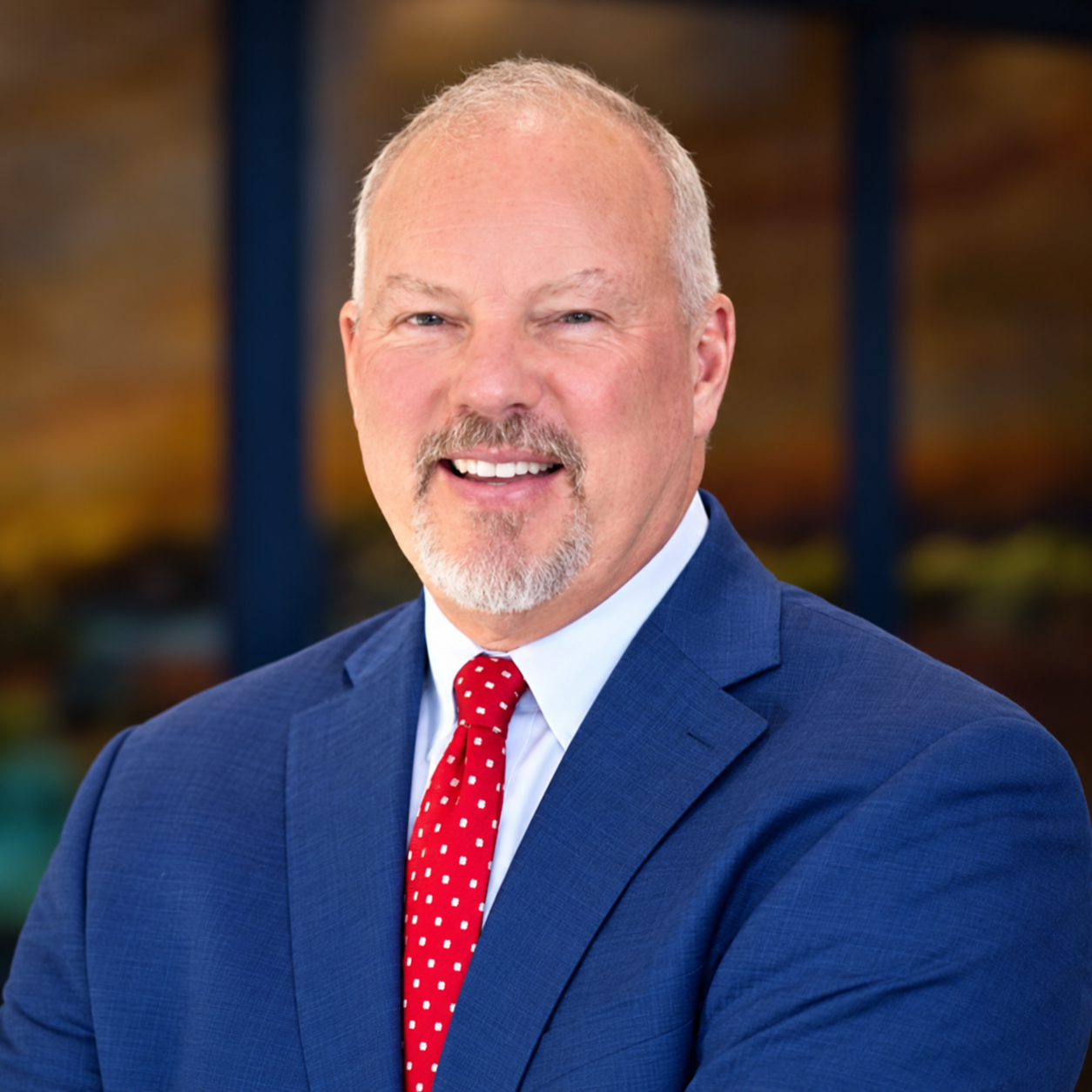
Managing Director of Development Services
Dave Williams is a seasoned real estate development and urban revitalization professional with more than 25 years of experience guiding complex projects from concept to completion. His work centers on using adaptive reuse, historic preservation, and mixed‑use development as tools for economic growth, neighborhood revitalization, and long-term community value.
Throughout his career, Dave has overseen large-scale redevelopment initiatives that require close coordination across design, construction, financing, leasing, and operations. He is known for leading multidisciplinary teams and navigating highly complex public‑private partnerships, often involving layered financing structures, historic tax credits, and sustainability-driven design strategies. His ability to balance financial feasibility with historic integrity and community goals has made him a trusted leader among developers, public agencies, and civic organizations.
Dave has played a central role in advancing downtown housing and urban infill strategies, helping cities strengthen their residential cores through creative site assembly, market analysis, and incentive alignment. His work has contributed to the successful delivery of mixed-use, preservation-led projects that activate underutilized assets and support long-term economic resilience.
With a foundation in construction management and development consulting, Dave brings a hands-on, execution-oriented approach to real estate development. His background informs a practical understanding of risk, budgeting, design coordination, and project delivery—allowing him to identify challenges early and move complex deals forward efficiently.
In addition to his professional practice, Dave is an active civic leader, serving on boards and committees focused on preservation, public media, arts, sustainability, and downtown revitalization. He is also a practicing artist whose work reflects a belief that creativity and culture are essential elements of vibrant, resilient communities.
This session explores how shared commercial kitchens are helping aspiring chefs, food truck operators, caterers, bakers, and specialty food producers start, grow, and scale their businesses. Through stories from the kitchen and real-world examples, attendees will learn how these facilities reduce barriers to entry, create pathways for small business ownership, and serve as powerful economic development tools for downtown and Main Street districts. Participants will gain insight into the "secret sauce" behind successful shared kitchen models, including partnerships, programming, funding strategies, and best operational practices. Whether you are considering launching a shared kitchen, supporting local food entrepreneurs, or looking to strengthen your community's small business ecosystem, this session will provide practical ideas and proven strategies to help cultivate the next generation of culinary entrepreneurs.
Come ready to share stories, passion, and pathways to the redevelopment of downtowns across Ohio. Together, we’ll explore: • The economic development tools shaping our cities • The critical role of public–private partnerships • The architectural significance of our historic fabric • How vision and strategy come together to overcome today’s marketplace challenges in construction, commercial leasing, and retail. This is your chance to connect with fellow leaders, exchange ideas, and be inspired by the bold work of revitalizing Ohio’s urban cores. Bring your insights, your questions, and your vision for the future. Ticketed Event. This session has been approved for 2.00 AIA LU credit.
What if there were another way? Ohio's New Community Authority (NCA) structure under Chapter 349 of the Ohio Revised Code offers a different approach to thinking about Main Street funding. An NCA can be established around a defined district and can generate revenue through a community development charge. Under Ohio law, an NCA can also undertake a broad range of community improvements and activities, including landscaping, maintenance, beautification, recreational and cultural activities, and other services that support the district. The concept is simple: Invest in the district, create value, capture a portion of that value, reinvest it back into the district. Instead of continually asking the community, businesses, foundations and local government for another contribution to keep Main Street moving, an NCA can create a more sustainable revenue structure tied to the growth and activity occurring within the district. This session has been approved for 1.00 AIA LU credit.