
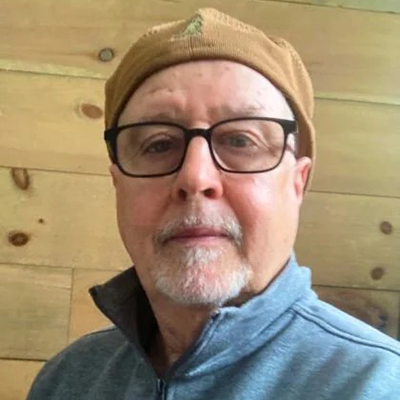
Principal & Owner of Gossman Group
Craig is a modern Renaissance man – a singer-songwriter as well as an architect. Craig’s work is a blend of originality and pragmatism which means the inspiring designs you see up front as concepts become a working reality. Craig’s rushes of creativity are in large part fueled by his music and by his passion for travel and adventure. This creativity is balanced by a shrewd grounding in economics and market forces both of which influence the places and buildings he creates. Before launching Gossman Group in 2013, Craig served as Principal Partner with Kinzelman Kline and Gossman (KKG) and later in the same capacity with MKSK. A 35-year career primarily focused on architecture which transitioned toward urban design & strategic planning driven by interests in real estate development, historic preservation, energy conservation, and creating healthy cities. Specialties: Urban design and architecture with a focus on strategic planning. I assist communities in accomplishing urban reinvention & development for downtowns, residential neighborhoods and commercial districts & corridors.
One of the most common questions in preservation and design is: "What does compatible really mean?" Too often, compatibility is misunderstood as replication, leading to debates over whether new buildings should mimic historic architecture or stand apart as contemporary design. The reality is far more nuanced. Successful infill design requires understanding the character-defining features of a historic district, interpreting preservation guidelines, the community's preservation goals, and thoughtfully creating architecture that respects its surroundings while reflecting the time in which it is built. This presentation explores how architects, developers, planners, preservationists, and review boards can navigate the intersection of historic context and contemporary design. Through real-world case studies, participants will examine how scale, massing, rhythm, materials, and site relationships can create compatibility without resorting to imitation. The session will also focus on the importance of communicating design intent. Many projects encounter opposition not because of poor design, but because the thought process behind the design has not been effectively conveyed. Attendees will learn techniques for documenting and presenting design decisions, illustrating how a project responds to its historic context, and building public understanding through clear visual and narrative storytelling. This session has been approved for AIA HSW credit.
Artists are often the first to reclaim forgotten places. Long before major redevelopment occurs, creative communities bring life, identity, and activity back into underutilized buildings and neglected corridors. This session explores how visual and performing arts communities have played a critical role in the revitalization of Downtowns and the reactivation of the Main Street corridor. From galleries and maker spaces to live performance venues and public art initiatives, attendees will gain insight into how arts and culture can function not simply as entertainment, but as an economic development strategy capable of driving foot traffic, entrepreneurship, placemaking, and neighborhood identity. This session has been approved for 1.00 AIA LU credits.